
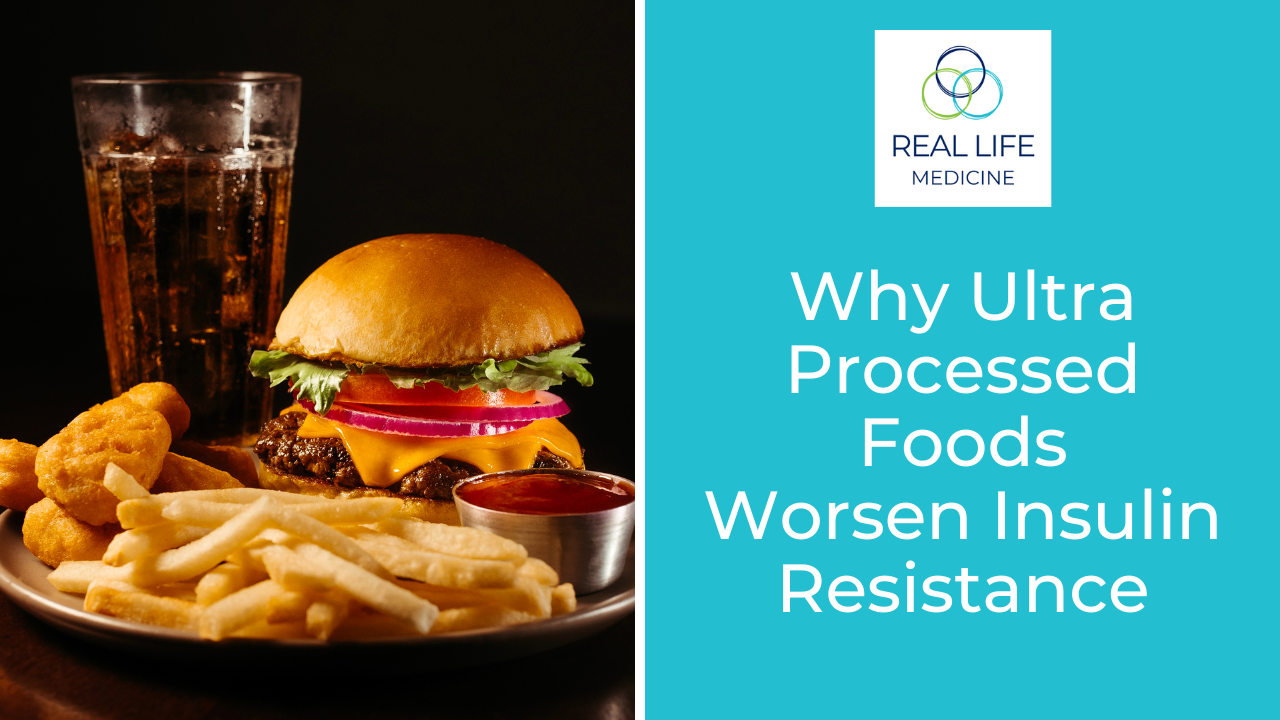
Why Ultra Processed Foods Worsen Insulin Resistance (and What to Do About It)
Feb 06, 2026For years, ultra processed foods have been marketed as modern solutions for busy lives. They’re quick, cheap, and engineered to taste great—but beneath the convenience lies a hidden metabolic cost.
Ultra processed foods are industrially manufactured products made mostly from refined starches, added sugars, cheap oils and synthetic additives. They’re designed to be intensely rewarding and easy to overeat, which keeps people coming back for more.
Research consistently shows that a higher intake of these foods is linked with increased insulin resistance and a higher risk of type 2 diabetes. Understanding why this happens is the first step toward improving metabolic health.
5 Reasons Ultra Processed Foods Worsen Insulin Resistance
1. They Drive Blood Sugar and Insulin Spikes
Many ultra processed foods (such as sugary drinks, lollies, biscuits, breakfast cereals, white bread, and packaged snacks) have a high glycaemic load and are digested very quickly.
When blood glucose rises fast, insulin levels rise fast too. Insulin is essential for moving glucose out of the bloodstream, but constant spikes keep insulin levels high for longer periods. Over time, this makes it harder for cells to respond properly, increasing insulin resistance.
2. They Encourage Overeating and Weight Gain
Ultra processed foods are engineered for what researchers call “automatic eating.” Soft, quick to chew, easy to swallow, and highly palatable - they trigger a strong reward response in the brain before the stomach has time to register fullness.
Studies show that when people are offered ultra processed meals, they consume more calories and gain more weight than when eating minimally processed foods, even if the meals contain similar nutrients. Increased visceral fat (the fat stored around vital organs) is one of the strongest drivers of insulin resistance.
3. They Contain Large Amounts of Added Sugar
Ultra processed foods contribute the majority of added sugar intake in most modern diets. While it’s obvious in soft drinks, confectionery, and desserts, sugar is also hidden in everyday items like flavoured yoghurts, muesli bars, sauces, salad dressings and savoury snacks.
Frequent consumption of added sugars increases insulin demand, fuels cravings, and traps people in a tired-and-hungry cycle driven by blood sugar fluctuations.
4. They Can Harm the Liver and Gut - Both Crucial for Metabolism
High intakes of refined carbohydrates and fructose can lead to fat build-up in the liver, contributing to metabolic-associated fatty liver disease (MASLD). Fatty liver significantly worsens insulin resistance.
In addition, additives like emulsifiers and thickeners often found in ultra processed foods can disrupt the gut microbiome, increasing inflammation and impairing communication between the gut and other metabolic organs. Since the gut and liver help regulate appetite hormones and blood sugar control, their health is essential for balanced metabolism.
5. They May Increase Exposure to Hormone-Disrupting Chemicals
Ultra processed foods are frequently stored or heated in plastic packaging. Chemicals such as bisphenols (BPA) and phthalates can leach into food, particularly into fatty items.
Observational studies associate these chemicals with greater insulin resistance and higher risk of metabolic disease. Recognising what food is made of (and how it’s packaged) is an important part of improving food quality and overall health.
The Encouraging Truth: Real Food Makes a Real Difference
Improving your metabolic health doesn’t require perfection. Every step toward simple, real food helps your body restore balance. Focus on fresh, minimally processed meals made from whole ingredients. These choices support steady energy, better blood sugar control, and lasting vitality.
At Real Life Medicine, we teach a lifestyle framework that nurtures every aspect of health. Our 6S approach creates a foundation for real, sustainable change:
-
Sustenance: Nourish your body with a low carb, high-protein, real-food diet.
-
Sleep: Prioritise deep, restorative rest for better energy and blood sugar control.
-
Strength: Incorporate regular resistance training to build muscle, boost metabolism, and improve insulin function.
-
Stress: Manage daily pressures through mindfulness, movement, and relaxation practices.
-
Sunlight: Get regular natural light exposure to support your mood, circadian rhythm, and vitamin D levels.
-
Social Connection: Stay engaged with loved ones—strong relationships build emotional resilience and protect overall health.
By combining real food with the 6S principles, you can lower insulin resistance, improve your metabolic health, and create a lifestyle that truly supports your body and mind.

Dr Mary Barson and Dr Lucy are the founders of Real Life Medicine. They help women who have been on every diet under the sun, optimise their health and achieve long lasting weight loss without feeling miserable or deprived.
They do this with their 3 step framework:
- Strategies to improve your metabolism
- Brain-based skills to overcome self-sabotage
- Tools to make it easy to implement
With this comes increased energy, vitality and confidence.
You can avoid chronic disease and stop living life on the sidelines!
